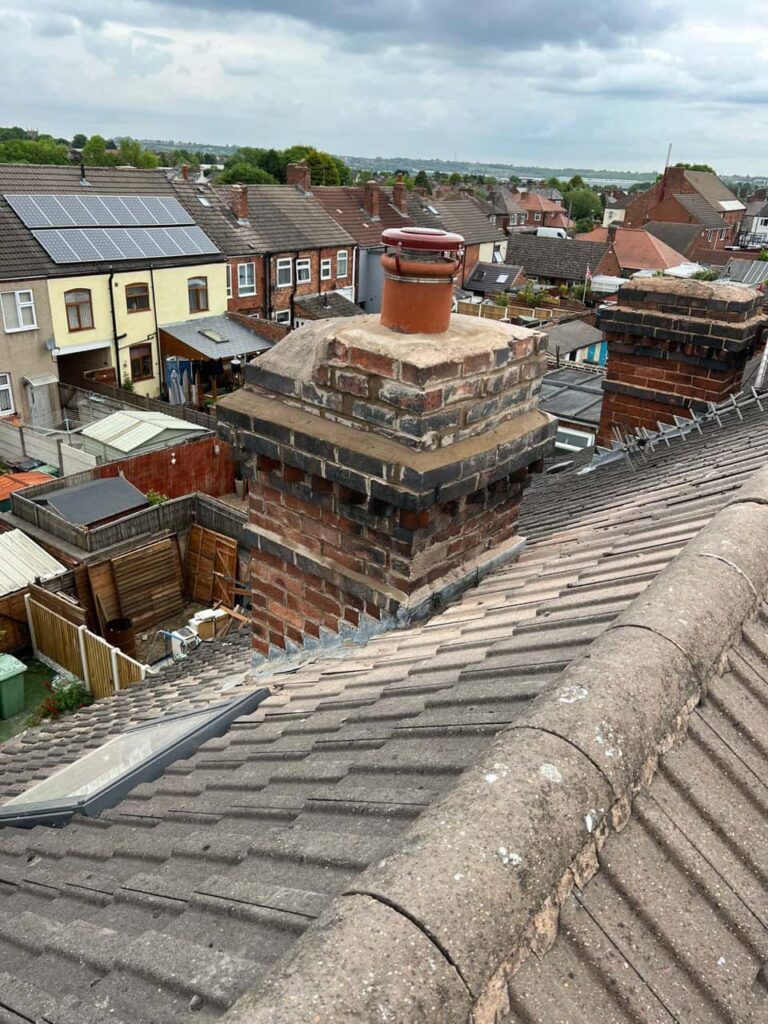
Gable end roofs are a common and practical roofing style, but in exposed locations they can be more vulnerable to weather-related stress than other designs. In areas such as Wimborne, Dorset, where wind and driving rain can affect properties from multiple directions, regular roof inspections play a vital role in maintaining the strength and reliability of gable end roofs.
Gable Ends Face Direct Wind Pressure
Unlike hipped roofs, gable end roofs present a broad, flat surface to the wind. During periods of strong or gusty weather, this end wall absorbs much of the force.
Over time, repeated wind pressure can loosen ridge tiles, disturb verge detailing, or cause subtle movement in the roof structure. Regular inspections allow these early signs to be identified before they lead to more serious problems.
Increased Risk Around Verges and Edges
The verge, where roof tiles meet the gable end, is one of the most exposed parts of the roof. Mortar, fixings and edge tiles in this area are particularly susceptible to deterioration.
Routine inspections focus closely on these vulnerable points, ensuring that tiles remain secure and that weatherproofing has not been compromised by movement or erosion.
Weather Can Affect One Side More Than the Other
In exposed locations, gable end roofs often experience uneven weathering. One end of the property may take the brunt of prevailing winds and rain, while the opposite side remains relatively sheltered.
Regular inspections help identify this imbalance. Addressing wear early on the more exposed side prevents localised damage from spreading across the roof.
Preventing Water Ingress Through Early Detection
Even minor defects around the gable end can allow water to enter the roof structure. Because these areas are elevated and often overlooked, small gaps or cracks may go unnoticed for long periods.
Professional inspections detect these issues early, protecting roof timbers, insulation and internal finishes from moisture-related damage.
Maintaining Structural Stability Over Time
Gable end roofs rely on secure fixings and stable supporting elements to withstand ongoing exposure. As materials age, their resistance to movement can reduce.
Regular inspections ensure that the roof continues to perform as a complete system, maintaining stability and preventing gradual weakening caused by repeated weather exposure.
Conclusion
Gable end roofs in exposed areas require regular inspections to remain secure, weather-resistant and structurally sound. Wind pressure, vulnerable edges and uneven weathering all contribute to gradual wear that is best managed through proactive maintenance.
For homeowners in Wimborne, Dorset, MCM Roofing Repairs Wimborne provide professional roof inspections and repairs tailored to exposed properties. Arranging regular checks is a practical way to protect your gable end roof and ensure reliable performance throughout the year.
Call us on: 01202 149 796
Click here to find out more about MCM Roofing Repairs Wimborne
Click here to complete our contact form and see how we can help with your roofing needs.