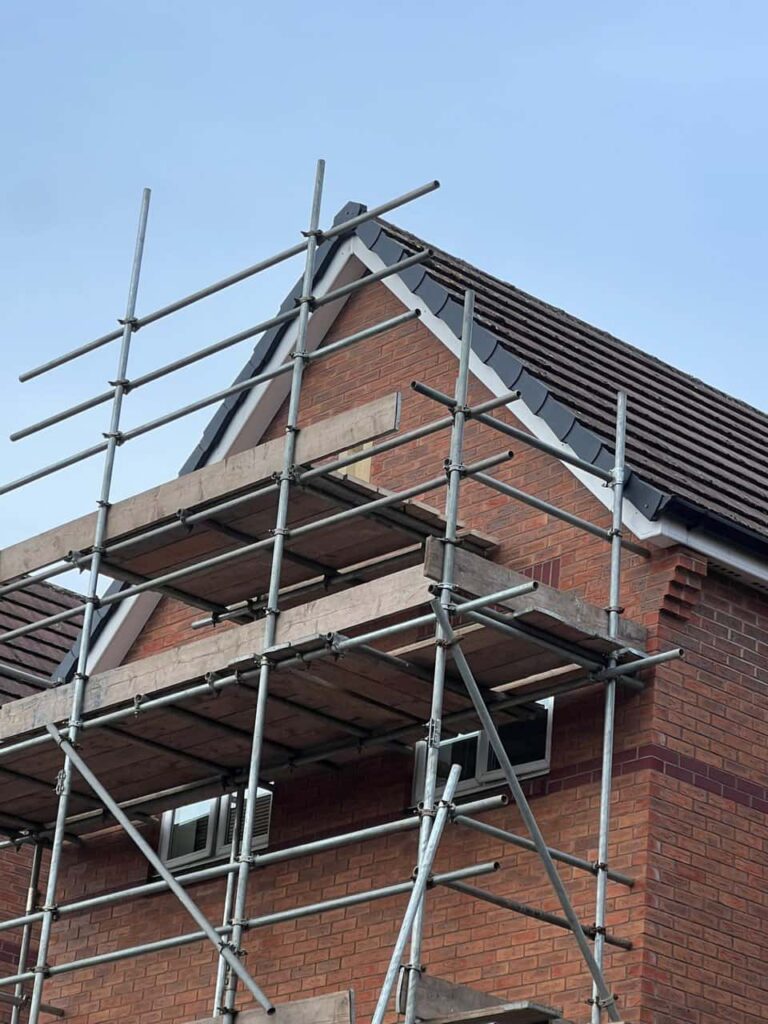
Not all roofs are simple, flat surfaces. Many properties feature extensions, multiple roof levels, curves, valleys, or intricate junctions that make traditional roofing systems harder to install and maintain. In these situations, choosing a roofing solution that can adapt to complexity is essential for long-term protection.
For property owners in Wimborne, Dorset, liquid roofing has become a highly effective option for managing complex roof shapes while delivering reliable, long-lasting waterproofing.
The Challenges of Complex Roof Designs
Roofs with irregular layouts often include changes in pitch, awkward angles, tight corners, and multiple penetrations such as vents or skylights. These areas are typically where problems occur, as traditional roofing materials rely on overlaps, joints, and mechanical fixings.
Common challenges include:
- Multiple seams that increase leak risk
- Difficult detailing around roof features
- Inconsistent coverage across different levels
- Greater potential for water ingress over time
The more complex the roof, the more important it becomes to use a system that can adapt seamlessly to its shape.
How Liquid Roofing Conforms to Any Roof Shape
Liquid roofing is applied as a fluid membrane that cures into a continuous, fully bonded waterproof layer. Because it is applied in liquid form, it naturally follows the contours of the roof surface rather than forcing materials to fit pre-defined shapes.
This allows liquid roofing to:
- Wrap seamlessly around corners and upstands
- Cover curved or uneven surfaces with ease
- Seal awkward junctions without joints
- Adapt to changes in roof level or pitch
This flexibility makes it especially suitable for roofs that traditional systems struggle to protect effectively.
Seamless Waterproof Protection
One of the biggest advantages of liquid roofing on complex roofs is its seamless finish. Traditional roofing systems often fail at joints, overlaps, and fixings, particularly on detailed roof layouts.
Liquid roofing creates:
- A single, uninterrupted waterproof membrane
- Complete sealing around penetrations and details
- Reduced risk of weak points forming over time
- Consistent protection across the entire roof
This seamless coverage is a major reason liquid roofing performs so well on irregular roof structures.
Flexibility That Supports Long-Term Performance
Complex roofs often experience varied movement due to temperature changes, structural variation, and exposure to the elements. Rigid roofing materials can crack or separate under these conditions.
Liquid roofing remains flexible once cured, allowing it to:
- Accommodate natural roof movement
- Maintain waterproof integrity during seasonal changes
- Resist cracking in high-stress areas
- Perform reliably over time
This flexibility is particularly valuable on roofs with multiple design features.
Effective Coverage in Hard-to-Reach Areas
Irregular roof shapes often include sections that are difficult to access for installation or maintenance. Liquid roofing simplifies coverage by being applied directly to the surface without the need for cutting, shaping, or fixing multiple components.
This ensures:
- Consistent waterproofing across all roof areas
- Reliable protection in confined or awkward sections
- Fewer installation complications
- Easier future inspections and maintenance
Uniform coverage is essential for protecting complex roofs effectively.
The Importance of Professional Application
While liquid roofing is highly adaptable, its success depends on expert preparation and application. Surface condition, detailing, and curing must be carefully managed to ensure performance.
Professional roofers assess:
- The roof’s layout and complexity
- Surface preparation requirements
- Correct application techniques for detailed areas
- Local environmental conditions in Wimborne
This professional approach ensures the system performs as intended across every part of the roof.
When Liquid Roofing Is the Right Choice
Liquid roofing is particularly well suited to:
- Roofs with multiple levels or transitions
- Extensions and altered roof structures
- Roofs with numerous penetrations
- Designs where traditional materials struggle to fit
Its adaptability makes it a practical solution for challenging roof layouts.
Conclusion
Liquid roofing is ideal for complex roof shapes because it adapts seamlessly to irregular surfaces, eliminates joints, and provides flexible, long-lasting waterproof protection. Its ability to conform to detailed layouts makes it a reliable alternative to traditional roofing systems on challenging roofs.
For property owners in Wimborne, Dorset, liquid roofing offers an effective solution for protecting complex roof structures. If your roof features awkward angles, multiple junctions, or intricate details, MCM Roofing Repairs Wimborne can provide expert advice and professional application tailored to your property’s specific requirements.
Call us on: 01202 149 796
Click here to find out more about MCM Roofing Repairs Wimborne
Click here to complete our contact form and see how we can help with your roofing needs.